Thorough Wildlife Control to Preserve Your Property
Thorough pest control is necessary for defending properties from the dangers posed by common pests. Rodents, nocturnal creatures, and bushy-tailed rodents can create considerable destruction and create health risks. Studying their behavioral patterns and the conceivable consequences on domestic settings is the initial approach in successful management. Nevertheless, numerous techniques exist to handle these risks. Selecting the most effective approach can make a major difference in ensuring a protected and peaceful setting. Which methods should homeowners highlight to ensure permanent protection?
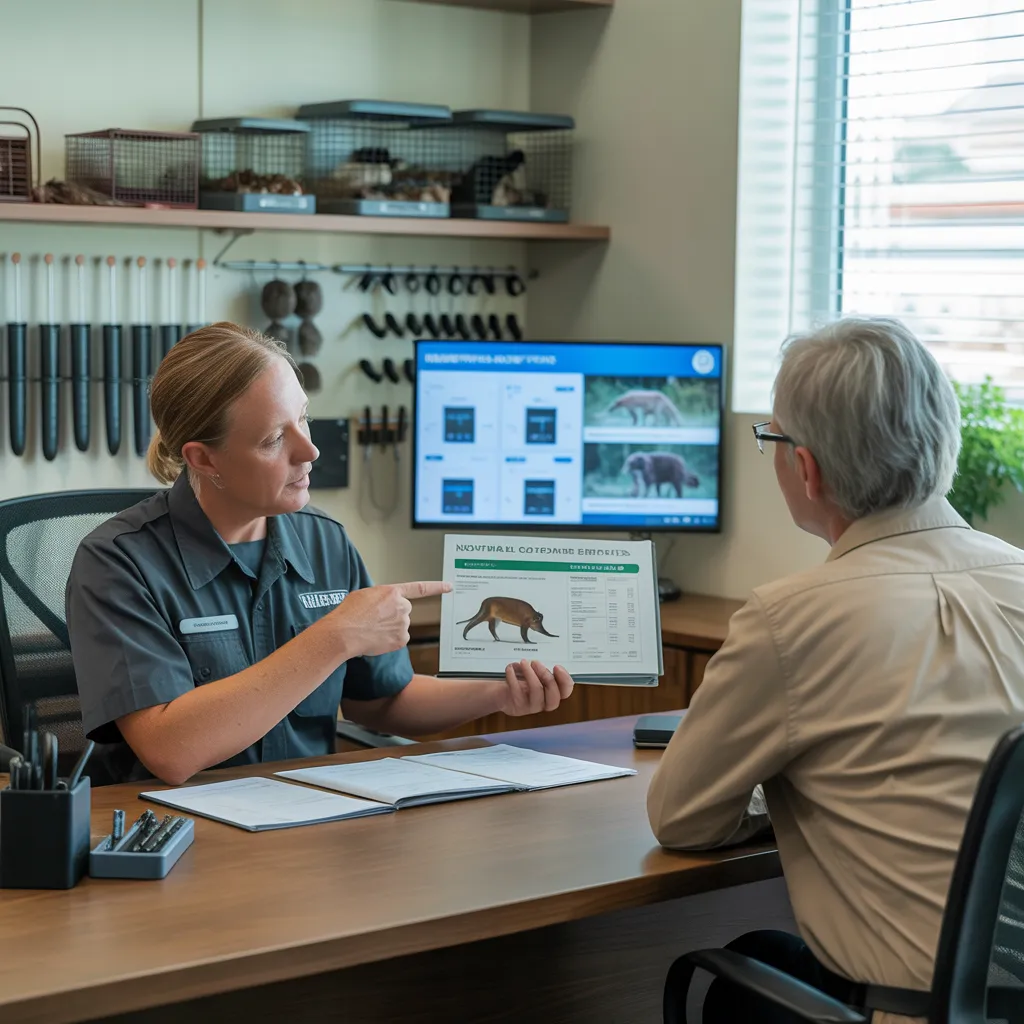
Spotting Standard Fauna Pests and Their Health Risks
Many homeowners face a range of wildlife pests that pose substantial threats to property and health. Common intruders include rodents, raccoons, squirrels, and bats. Rodents, such as mice and rats, can damage insulation and wiring while spreading diseases through their droppings. Raccoons are notorious for rummaging through garbage and can carry parasites dangerous to people. Squirrels may chew wooden structures and electrical wiring, creating potential fire hazards. Bats, while advantageous for insect control, can pose health risks through their droppings, which may contain histoplasmosis spores. Each of these pests not only endangers the physical integrity of a home but also the well-being of its occupants. Identifying the signs of infestations, such as droppings, gnaw marks, and nests, is crucial for homeowners. Early identification allows for timely intervention, minimizing the risks linked to these common wildlife pests.
Recognizing the Importance of Creature Control on Your Property
Effective wildlife control approaches significantly affect the safety and integrity of a property. When wildlife is managed appropriately, property owners can mitigate potential harm caused by unwanted animals, such as structural deterioration and food supply pollution. A proactive approach to animal management not only safeguards physical assets but also enhances the overall well-being of the environment surrounding the property.
Furthermore, efficient management lowers the threat of disease spread, protecting both inhabitants and pets. Animals in the wild can carry various pathogens that pose dangers to human wellbeing; therefore, managing these animal populations is essential for preserving a secure living space. Furthermore, accomplished wildlife management fosters a feeling of security, enabling property owners to participate in outdoor activities without anxiety of encounters with pests. In the end, understanding the impact of wildlife control is crucial for ensuring that a piece of real estate remains a safe, well-maintained, and inviting setting for its residents.
Verified Procedures for Managing Wildlife Infestations
Putting proactive measures in place is vital for stopping pest invasions. Property owners can substantially lower the danger by ensuring cleanliness and securing food sources. This requires appropriate garbage handling and storing pet food indoors. Additionally, blocking entry gaps, such as gaps in foundations, vents, and smoke stacks, can deter animals from entering structures.
Landscaping constitutes a key factor; pruning trees and shrubs away from buildings reduces potential nesting sites. Installing fences around gardens can provide additional defense against herbivorous wildlife.
Frequent inspections of the property help uncover signs of potential infestations early, allowing for timely solutions. Utilizing motion-activated lights or noise deterrents can also discourage wildlife from approaching.
Humane Wildlife Control Procedures to Discover Next
Using ethical wildlife control approaches fosters a balance between protecting property and honoring creature welfare. These approaches highlight humane approaches to address animal encounters successfully. One standard approach is the employment of humane traps, enabling for the humane trapping and movement of animals without injury. Additionally, barrier methods, such as sealing entry points and reducing temptations, can prevent wildlife from invading homes.
Altering habitat is another kind method, involving the alteration of areas to make them less desirable to undesirable animals. For instance, keeping yards clean and keeping trash in secure containers can markedly reduce wildlife encounters.
Moreover, implementing natural repellents, such as predator scents or aromatic deterrents, can inspire wildlife to maintain distance. These approaches not only guard property but also enable coexistence with local wildlife, strengthening a respectful relationship between humans and nature.
When do you require to reach out to wildlife removal experts?
Recognizing when to call wildlife control specialists often copyrights on identifying proof of pest invasion and evaluating property damage. Homeowners should keep watch for strange animal activity or observable proof of wildlife activity. Prompt response can prevent continued damage and guarantee humane and safe removal of any intruding animals.
Indicators Of Infestation
Detecting the warnings of a wildlife problem is essential for rapid response. Homeowners should stay vigilant for various signals that may point to the arrival of unwanted pests. Common signs include droppings, which can range in size and shape depending on the species, and odd sounds, particularly during the night. Also, marks or damage on walls and surfaces may indicate animal activity, while dens or nests spotted around the property can additionally establish an infestation. Vanishing food amounts, chewed wires, or damaged insulation may also suggest wildlife access. If these signs are observed, it is critical to consult wildlife control professionals to assess the situation and execute successful remedies before the problem escalates.
Property Destruction Appraisal
Homeowners facing possible wildlife infestations must evaluate the damage caused to their property as an important step. Signs of damage may consist of bitten electrical wires, wood that has been gnawed, and ripped insulation, all of which often point to rodents or other animals. Additionally, homeowners should check for animal waste, materials used for nests, and any damaged structures that could result in expensive fixes if overlooked. Water damage from animal entry points can also damage the property's integrity. If damage is extensive or the infestation source is unknown, it is crucial to contact wildlife control professionals. These specialists can assess the problem, apply proper removal strategies, and stop future problems to keep the property safe and undamaged.
Tips for Keeping Wildlife Away for Extended Periods
Preventing creatures needs a methodical plan that blends prevention, environmental change, and constant maintenance. Successful deterrence initiates through protecting food sources; residents must store pet food, birdseed, and garbage in closed bins. Cutting off water sources, like clogged gutters or accumulated water, further minimizes creature interest.
Habitat alteration is vital. Thick vegetation should be trimmed back, and potential nesting sites, like woodpiles and dense shrubs, must be removed. Installing fencing can discourage larger animals from entering yards, while smaller creatures can be discouraged by using barriers.
Constant maintenance is vital for enduring success. Routine inspections of the estate should be completed to pinpoint new entry points or traces of animal activity. Speedy restoration and adjustments will ensure that established walls remain working. By steadily applying these strategies, landlords can develop an atmosphere that discourages wildlife intrusion, protecting their homes and outdoor spaces for the long haul.
Advice for Cohabiting Calmly With Local Wildlife
Living harmoniously alongside local wildlife improves both the environment and community health. To achieve this balance, individuals can implement many practical approaches. To begin with, protecting trash bins and compost piles stops animals from searching for food, decreasing unwanted wildlife encounters. In addition, preserving native plants in gardens creates a native environment that supports local species while minimizing invasive plants that may disrupt local ecological systems.
In addition, homeowners should avoid using dangerous chemical treatments, as these substances can detrimentally impact both animals and the surrounding environment. Teaching the neighborhood about local wildlife behaviors promotes understanding and minimizes worry. Installing animal-safe enclosures can also help defend plant areas without harming animals.
Ultimately, teaming up with local conservation groups can extend resources and support for wildlife-friendly practices. By utilizing these strategies, communities can capitalize on the advantages of local wildlife while safeguarding safety and sustainability for all.

Popular Posed Questions
What legal rules apply to Wildlife Control in My region?
Wildlife rules pertaining to animal control vary depending on location and typically encompass permits, forbidden techniques, and set seasons. People should reach out to local wildlife agencies for detailed guidelines to ensure adherence to regional laws discover more and regulations.
What Price Can You Anticipate to Spend for Professional Animal Removal?
Wildlife control experts generally bill between $200 and $600, contingent on elements including the wildlife type, degree of the infestation, and requested services. Supplementary fees may be incurred for subsequent visits or preventative measures.
Can Wildlife Control Techniques Injure Pets or Farm Animals?
Control techniques for wildlife can possibly injure pets or livestock if not properly managed. Some techniques may unintentionally impact non-target animals, emphasizing the significance of choosing skilled experts who place emphasis on the welfare of every animal present.
Which Options May I Review if I Find Hurt Animals on My Property?
When you encounter hurt animals, you should quietly watch from afar, avoid handling the animal, and contact local animal rescue organizations or animal control for expert help to guarantee the animal gets adequate treatment.
Should I be mindful of seasonal variations in animal movement?
Seasonal fluctuations in wildlife activity often reach their maximum during spring and fall. Animals may be more visible looking for food and shelter, while winter brings hibernation or migration. Awareness of these patterns aids in effective wildlife management.